We've made CustomsWait's wait-time estimates smarter — and more honest.
Every time you check a crossing, CustomsWait turns thousands of community reports into a simple answer: how long is the wait, and when is the best time to go. We've just rebuilt the engine behind those numbers so the answers are sharper, more current, and easier to trust.
What's changed for you
Recent reports count for more. Traffic patterns shift — a crossing that was quiet last spring may be busy now. Our estimates now lean on the newest reports, so what you see reflects how the crossing behaves today, not six months ago.
Two numbers, not one. For the best times to cross you'll now see a typical wait and a busy-day wait. The typical number is what most people experience; the busy-day number is the one to plan around if you can't afford to be late. Together they give you a realistic range instead of a single guess.
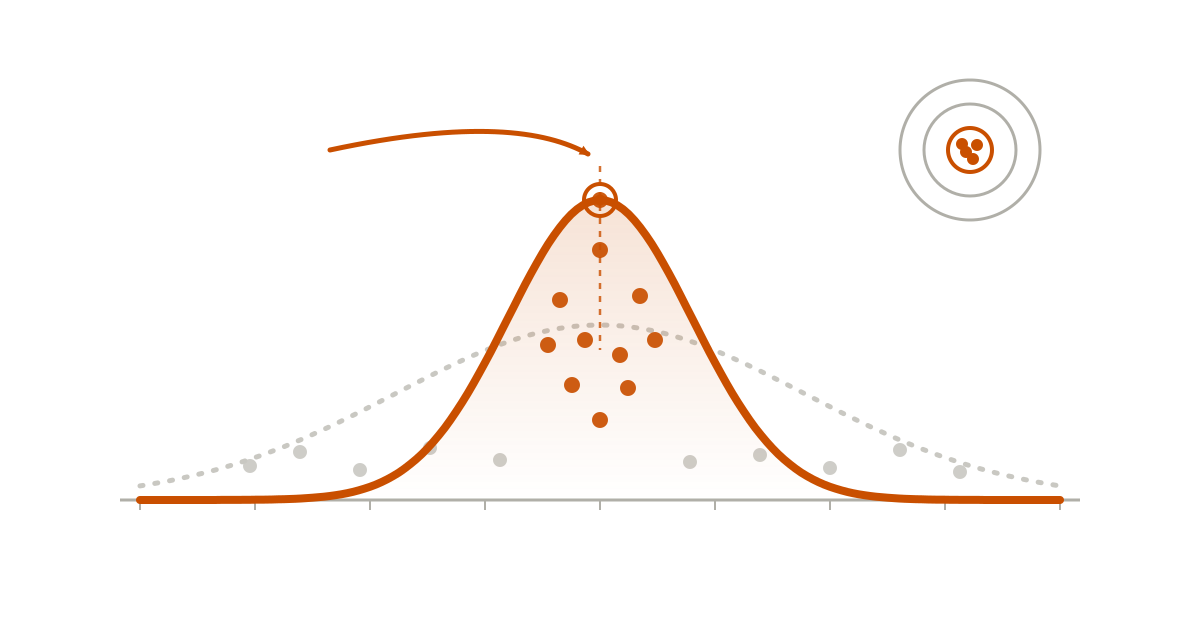
One unusual day won't skew the picture. A single very long — or very short — report used to be able to tip an estimate. Now the numbers are steadied against the bigger picture, so a one-off doesn't paint a whole time slot the wrong color.
Honest about thin data. Some crossings and time slots simply don't have many reports yet. Instead of pretending, CustomsWait now quietly marks those estimates as less certain — and won't crown a "best time" based on just one or two reports.
Fairer "best day" picks. When we tell you the calmest day to cross, we now compare days hour-for-hour, so a day doesn't look good just because it happened to be checked at quiet moments.
The bottom line
More reports, weighted more intelligently, mean estimates you can actually plan around. And every report you submit makes them better — thank you for crossing with CustomsWait.
— The CustomsWait team