Kulata / Promachonas
Bulgaria → Greece · Statistical analysis
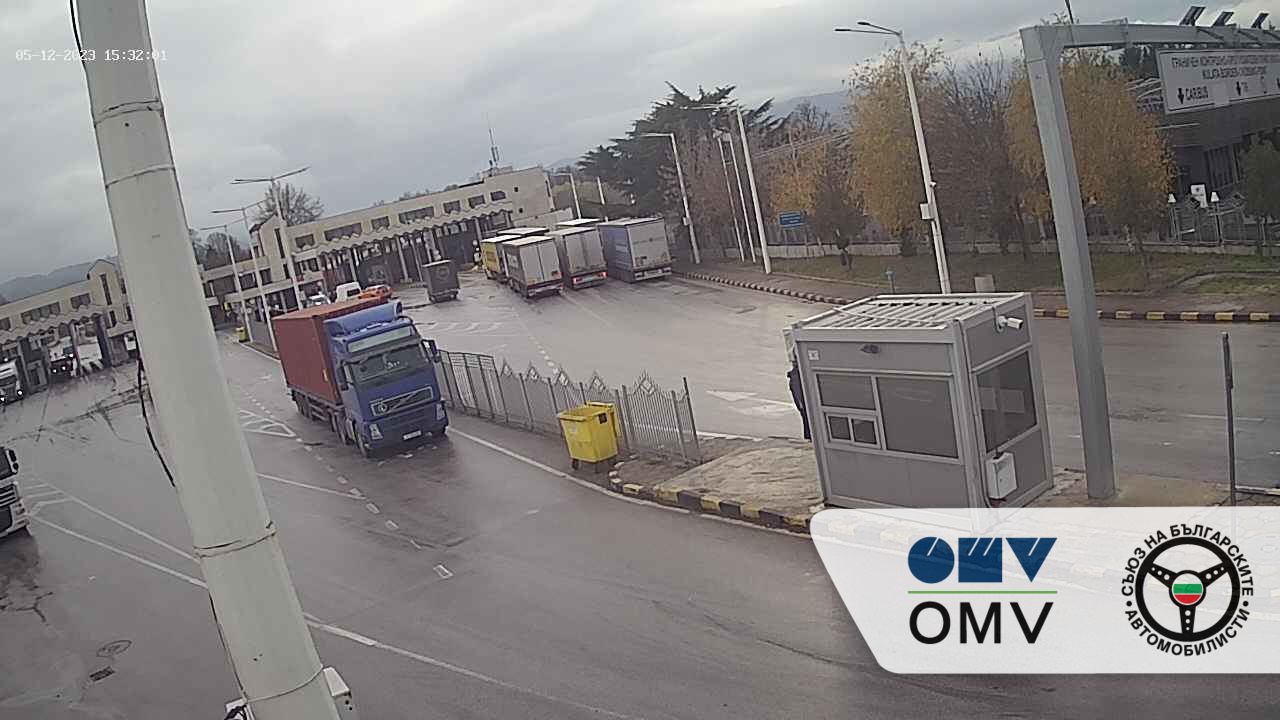
Today
Wait time heatmap — by day and hour (local time Bulgaria)
Numbers show the usual wait · small number = how many reports
| 00 | 01 | 02 | 03 | 04 | 05 | 06 | 07 | 08 | 09 | 10 | 11 | 12 | 13 | 14 | 15 | 16 | 17 | 18 | 19 | 20 | 21 | 22 | 23 | |
|---|---|---|---|---|---|---|---|---|---|---|---|---|---|---|---|---|---|---|---|---|---|---|---|---|
| Mon | – | – | – | – | – | – | – | – | – | – | – | – | – | – | – | – | – | – | – | – | – | – | – | – |
| Tue | – | – | – | – | – | – | – | – | – | – | – | – | – | – | – | – | – | – | – | – | – | – | – | – |
| Wed | – | – | – | – | – | – | – | – | – | – | – | – | – | – | – | – | – | – | – | – | – | – | – | – |
| Thu | – | – | – | – | – | – | – | – | – | – | – | – | – | – | – | – | – | – | – | – | – | – | – | – |
| Fri | – | – | – | – | – | – | – | – | – | – | – | – | – | – | – | – | – | – | – | – | – | – | – | – |
| Sat | – | – | – | – | – | – | – | – | – | – | – | – | – | – | – | – | – | – | – | – | – | – | – | – |
| Sun | – | – | – | – | – | – | – | – | – | – | – | – | – | – | – | – | – | – | – | – | – | – | – | – |
Best individual hours across all days
Best times per weekday
Values are in minutes · Based on 0 readings
About the Kulata / Promachonas crossing
The Kulata–Promachonas crossing links Bulgaria and Greece between the village of Kulata, near Petrich, and Promachonas in the Serres regional unit, and is the main border point between the two countries. It sits on the E79 corridor, where Bulgaria's A3 Struma motorway running down from Sofia and Blagoevgrad meets the Greek road toward Serres, Thessaloniki and the Aegean coast, and it carries a heavy mix of passenger cars, buses and freight trucks.
Traffic here is busy year-round but especially intense in summer, when large numbers of holidaymakers from Bulgaria and further north in Central and Eastern Europe head to the beaches of northern Greece and the Halkidiki peninsula. Freight moves steadily through in both directions, and queues can build significantly during peak travel weekends and holiday periods.
Since 1 January 2025 Bulgaria has been a full Schengen member, so this is now an internal Schengen border: systematic passport checks have been abolished, though random police checks are still possible near the border. Note that Bulgaria requires an e-vignette while Greece uses motorway tolls.
Practical tips
Check the heatmap above to find the quietest hours and plan your crossing to avoid the summer peaks.
How to read this page
Each square is one day and hour. Green is a short wait (30 min or less), yellow is medium (up to 90), red is long. Grey squares have no reports yet. The big number is the usual wait in minutes; the small number is how many reports it is based on. Faded squares have very few reports, so treat them with caution.
We show two numbers. The usual wait (‘Typically’) is the middle of what people report — a normal day. The busy-day number (‘up to’) is how bad it can get. If you can’t be late, plan for the busy-day number.
The 2-hour window when waits are usually shortest. Arrive near its start for the best chance of a quick crossing. The per-day cards show the same for each weekday.
Reports come in through the day. The Last reporting card at the top shows the latest one. Recent reports count a little more than old ones, and anything based on very few reports is faded — treat it with caution.
Wait times for Bulgaria → Greece and the opposite direction are tracked separately and often differ significantly. Use the link at the top of the page to switch to the reverse crossing.
Public holidays, seasonal traffic, and road works can shift wait times well outside historical norms. These statistics reflect past patterns — always check current conditions before you travel.
Tap the filter header to expand or collapse the filter panel. Use the period presets — 30 days, 90 days, seasons, All time, or a custom date range — for quick access to different windows. Select specific days of the week or times of day to further narrow your analysis. Default is the current season, all days, all hours.